Therapy for Grief & Loss
Grief & Loss Therapy in Philadelphia
Grief is one of the most universal human experiences — and one of the loneliest. Whether you’re mourning the death of someone you love, grieving the end of a relationship, processing a miscarriage or pregnancy loss, navigating ambiguous loss, or sitting with the grief that comes from life not turning out the way you planned, you deserve more than “time heals all wounds.” At The PhilaTherapy Network, we hold space for grief in all its forms — messy, nonlinear, and as unique as the love that created it.
What Is Grief?
Grief is the natural, multifaceted response to loss — and it’s far more complex than most people realize. It’s not just sadness. It’s anger, numbness, confusion, guilt, relief, longing, and a hundred other feelings that can shift by the hour. Grief affects your body, your sleep, your appetite, your concentration, your relationships, and your sense of who you are. There is no right way to grieve, no timeline that applies to everyone, and no amount of “staying strong” that makes it go faster.
Your Grief Has Context
Grief doesn’t happen in isolation — it’s shaped by the nature of your loss, the quality of the relationship, your cultural and spiritual background, your support system, your past experiences with loss, and the social messages you’ve received about how grief “should” look. Many people carry grief that the world doesn’t acknowledge — the loss of a pet, a friendship, a pregnancy, a dream, a sense of safety, or an identity. We honor all of it. Disenfranchised grief is still grief, and it still deserves care.
A Whole-Person Approach
We believe that every body — regardless of age, race, orientation, gender, size, or ability — deserves space to grieve fully and authentically. Our therapists understand that grief touches everything — your physical health, your sexuality, your relationships, your identity, your faith or lack thereof. We don’t rush you toward “closure” or “moving on.” We sit with you in the grief, help you make meaning at your own pace, and support you in rebuilding a life that holds both love and loss.

How We Support People Through Grief
Understanding
Connection
Collaboration
Reclamation
Grief is not a problem to solve — it’s love with nowhere to go. At The PhilaTherapy Network, we help you find new places for that love to live.
You Don't Have to Grieve Alone
TPN therapists are part of a collaborative community of marriage and family therapists, clinical social workers, and professional counselors who understand grief in all its forms — including its impact on sexuality, identity, and relationships. We don’t work in silos — we consult with each other, stay current on grief research, and bring collective wisdom to every client we serve. When you work with a TPN therapist, you’re supported by a network that treats grief as a human experience deserving of real expertise.
There’s no threshold of suffering you need to meet before therapy is “justified.” If grief is affecting your quality of life, therapy can help. Here are some signs it might be time:
Signs That Grief Support Could Help
Overwhelming Sadness or Numbness
Difficulty Functioning Day-to-Day
Guilt, Anger, or Unresolved Feelings
Isolation & Withdrawal from Others
Grief That Feels “Stuck” or Unmoving
Loss That Others Don’t Acknowledge
The Many Faces of Grief
Death of a Loved One
Pregnancy & Infant Loss
Relationship Loss
Ambiguous Loss
Loss of Identity or Life Stage
Collective & Community Loss
Pet Loss
Complicated & Prolonged Grief
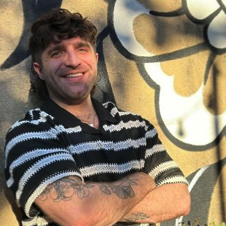
Meet the Therapists Who Specialize in Grief
Click on any image below to read more about each therapist
















What Happens When You Reach Out?
Step 1: You Reach Out (It's Okay to Not Be Okay)
Fill out our short intake form or give us a call. You don’t need to have your grief organized or your feelings sorted. You just need to show up. We’ll ask about your loss, what you’re experiencing, and what kind of support would help most. You’ll be matched with a therapist who has genuine expertise in grief and understands that your loss is unique to you.
Step 2: You Meet Your Therapist
Your first session is a space to be heard — fully, without judgment or platitudes. Your therapist will ask about your loss, your relationship with the person or experience you’re grieving, how the grief is showing up in your daily life, and what you’re hoping for. There’s no pressure to be composed. You can cry, be angry, sit in silence, or all of the above.
Step 3: Therapy That Honors Your Grief
Your therapist draws from evidence-based approaches tailored to your specific grief experience — including meaning-making frameworks, somatic processing, IFS, mindfulness, and narrative therapy. Whether you need to tell your story, process complicated emotions, rebuild daily functioning, or find ways to carry your love forward, every session is designed to meet you exactly where you are.
Carrying Love Forward
We can’t guarantee timelines, and we won’t promise your grief will disappear. But we’ve seen what happens when people have the right support. Here’s what our clients tell us life starts to look like:
- The waves of grief become more navigable
- Good days start to outnumber the hard ones
- You find ways to honor your loss that feel meaningful
- Guilt and regret loosen their grip
- You reconnect with people and activities you’d withdrawn from
- Joy returns — and it doesn’t feel like a betrayal
- Your identity expands beyond “the person who lost someone”
- You carry both grief and love, and find room for both

Treatment Approaches for Grief & Loss
Meaning-Making & Narrative Therapy
Internal Family Systems (IFS)
Somatic & Body-Based Approaches
Mindfulness-Based Therapy
EMDR for Traumatic Loss
Continuing Bonds Approach
Psychoeducation
Frequently Asked Questions
There is no normal grief. Grief can look like crying every day or not crying at all. It can look like numbness, anger, relief, guilt, or all of the above in a single hour. It can hit immediately or arrive months later. What matters isn’t whether your grief looks “right” — it’s whether you’re getting the support you need. If your grief is affecting your quality of life, therapy can help, no matter how your grief presents.
There is no expiration date on grief. The idea that you should be “over it” by a certain point is a cultural myth that causes real harm. Some losses you carry for the rest of your life — and that’s not pathological, it’s human. What changes over time is not the presence of grief but your ability to carry it. Therapy helps you build that capacity.
Grief and depression share many symptoms — sadness, fatigue, difficulty concentrating, changes in appetite and sleep. But grief typically comes in waves connected to the loss, while depression tends to be more constant and pervasive. They can also coexist. Your therapist will help you understand what you’re experiencing and tailor treatment accordingly. You don’t need a diagnosis to benefit from grief support.
Absolutely. Grief doesn’t expire, and neither does your right to process it. Many people come to therapy years or even decades after a loss — triggered by a life transition, another loss, or simply reaching a point where they’re ready. There is no “too late” for grief work.
Very common. Many people experience guilt when they laugh, feel joy, or start to rebuild their lives after loss. It can feel like a betrayal of the person you’ve lost. Therapy helps you understand that joy and grief can coexist — that moving forward is not the same as forgetting, and that your loved one would likely want you to live fully.
Yes — this is an area of deep expertise for us. Disenfranchised grief is grief that society doesn’t fully acknowledge — the loss of a pet, a miscarriage, a friendship, an ex-partner, a dream, or a loss within a stigmatized relationship. These losses are real and painful, and they deserve the same quality of therapeutic support as any other grief.
Profoundly. Grief can create distance between partners, change your desire for intimacy, affect your body’s responsiveness, and make vulnerability feel impossible. If grief is impacting your relationship or sexuality, our therapists bring specialized expertise in the intersection of grief, intimacy, and sexuality — topics most grief counselors aren’t equipped to address.
We treat grief holistically — including its impact on your body, your sexuality, your relationships, and your identity. Our therapists don’t just offer talk therapy; they bring somatic, systemic, and meaning-making approaches that address grief at every level. And our collaborative model means your therapist is supported by a network of clinicians with expertise in sexuality, identity, and relational dynamics.
Our primary focus is individual and couples therapy, but we can help connect you with group grief support resources in the Philadelphia area if that’s something you’re looking for. Many clients find that individual therapy alongside peer support provides the most comprehensive healing experience.
If you’re reading this page, some part of you is looking for support — and that matters. You don’t need to be in crisis or have a “major” loss to benefit from grief therapy. If you’re carrying grief that feels heavy, confusing, or lonely, a therapist can help. Your first session is just a conversation — a chance to be heard and see if it feels right.