Self Recovery Therapy
Chronic Shame Therapy in Philadelphia
Shame isn’t just a feeling — it’s a way of seeing yourself. It whispers that you’re broken, unworthy, too much, or not enough. Unlike guilt, which says “I did something bad,” shame says “I am bad.” When shame becomes chronic, it infiltrates everything — your relationships, your sexuality, your sense of self, your ability to ask for what you need. At The PhilaTherapy Network, we understand that chronic shame is not a character flaw. It’s an adaptation — and it can be healed.
What Is Chronic Shame?
Chronic shame is a pervasive, deeply internalized belief that there is something fundamentally wrong with who you are. Unlike situational embarrassment, chronic shame doesn’t come and go — it lives in your body, shapes your self-talk, and drives patterns of hiding, people-pleasing, perfectionism, self-sabotage, and withdrawal. It often develops in childhood through experiences of neglect, criticism, abuse, or environments where your needs, identity, or body were treated as problems.
Your Shame Has Context
Shame doesn’t develop in a vacuum. It’s shaped by family dynamics, cultural messaging, systemic oppression, religious upbringing, and the ways your identity has been received — or rejected — by the world around you. Body shame, sexual shame, shame around gender or orientation, racial shame, shame about disability or neurodivergence — these aren’t personal failings. They’re the predictable result of living in systems that tell certain people they’re less than. We see you, and we’re here to help you see yourself differently.
A Whole-Person Approach
We believe that every body — regardless of age, race, orientation, gender, size, ability, or history — deserves pleasure, understanding, attention, and care. Shame thrives in silence and isolation. Our therapists create a space where you can bring the parts of yourself you’ve been hiding — the parts you’ve been told are too much or not enough — and experience what it feels like to be truly seen, accepted, and valued as you are.

How We Approach Chronic Shame
Understanding
Connection
Collaboration
Reclamation
Shame tells you to hide. Healing asks you to be seen. At The PhilaTherapy Network, we create spaces where (maybe even for the first time) being seen feels safe.
You Deserve to Feel Worthy
TPN therapists are part of a collaborative community of marriage and family therapists, clinical social workers, and professional counselors who specialize in shame, identity, sexuality, and trauma. We don’t work in silos — we learn from each other, consult regularly, and bring deep expertise in the intersection of shame with sexuality, relationships, and systemic oppression. When you work with a TPN therapist, you’re supported by a network that truly understands.
Shame is often invisible — even to the person carrying it. It disguises itself as perfectionism, people-pleasing, withdrawal, or self-sabotage. Here are some signs that chronic shame may be shaping your life:
Signs That Chronic Shame May Be Affecting You
Persistent Feeling of Being “Not Enough”
Hiding Parts of Yourself from Others
Perfectionism & Fear of Failure
Difficulty Receiving Love or Compliments
Sexual Shame or Body Shame
People-Pleasing & Self-Abandonment
How Chronic Shame Shows Up
Body Shame
Sexual Shame
Relational Shame
Identity-Based Shame
Achievement & Perfectionism
Family-of-Origin Shame
Trauma-Related Shame
Shame in Relationships & Intimacy
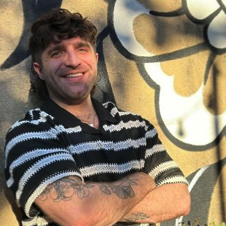
Meet the Therapists Who Specialize in Self Recovery
Click on any image below to read more about each therapist
















What Happens When You Reach Out?
Step 1: You Reach Out (It's Easier Than You Think)
Fill out our short intake form or give us a call. We know that reaching out when you’re carrying shame can feel terrifying — like you’re exposing the very thing you’ve been hiding. We make this step as gentle as possible. You’ll share what feels comfortable, and we’ll match you with a therapist who specializes in shame and understands the courage it took to reach out.
Step 2: You Meet Your Therapist
Your first session is a conversation, not an evaluation. Your therapist creates a warm, nonjudgmental space where you can share as much or as little as you’re ready for. They’ll ask about your experience, your history, and what you’re hoping to change — and they’ll do so with the kind of genuine acceptance that shame has taught you not to expect.
Step 3: Therapy That Meets You Where You Are
Your therapist draws from evidence-based modalities — including IFS, somatic therapy, mindfulness, systemic approaches, and psychoeducation — tailored to the unique ways shame shows up in your life. Whether you’re working on body shame, sexual shame, relational patterns, or identity-based wounds, every session is designed to help you build a new relationship with yourself.
A Life Beyond Shame
We can’t guarantee timelines, but we’ve seen what happens when people have the right support. Here’s what our clients tell us life starts to look like:
- The inner critic quiets down
- You stop apologizing for existing
- Vulnerability starts to feel possible, not dangerous
- You can receive love without waiting for the other shoe to drop
- Your body starts to feel like home instead of a prison
- Sexual pleasure becomes something you deserve, not something to hide
- You show up in relationships as yourself — not a performance
- You start to believe, deeply, that you are enough

Treatment Approaches for Chronic Shame
Internal Family Systems (IFS)
IFS is one of the most powerful modalities for shame work. It helps you identify the shamed parts of yourself, the exiles carrying childhood pain, and the protectors that developed to keep that pain hidden. Through compassionate inner dialogue, you learn to unburden these parts, release the shame they carry, and restore a sense of wholeness and self-leadership.
Somatic & Body-Based Approaches
Mindfulness-Based Therapy
Cognitive Behavioral Therapy (CBT)
EMDR (Eye Movement Desensitization & Reprocessing)
Systemic Lens Therapy
Family Systems Therapy
Psychoeducation
Frequently Asked Questions
Chronic shame often feels like a constant, low-grade sense of being “wrong” or “not enough” — different from the temporary embarrassment of a specific event. If you find yourself regularly hiding parts of who you are, struggling to accept compliments, feeling like a fraud, or believing that people would reject you if they really knew you, chronic shame may be at work. You don’t need a diagnosis to benefit from therapy — just a willingness to explore.
They’re related but not identical. Low self-esteem is about what you think of yourself. Chronic shame is about what you believe you are at your core. Shame says “I am bad” rather than “I feel bad about myself.” It’s a deeper, more identity-level experience that often drives low self-esteem, perfectionism, and other surface-level symptoms. Therapy for chronic shame works at the root level.
Yes. Chronic shame feels permanent because it’s been with you so long — but it’s learned, which means it can be unlearned. Through IFS, somatic work, EMDR, and other evidence-based approaches, we help you access the experiences that installed the shame, process them safely, and build a new relationship with yourself. It takes time and courage, but transformation is absolutely possible.
This is incredibly common — and completely understandable. Shame’s primary defense mechanism is hiding. Our therapists are trained to work gently with this resistance. You never have to share more than you’re ready for. We meet you at your pace, build safety gradually, and understand that the willingness to show up is already an act of profound courage.
Profoundly. Sexual shame — about desire, fantasy, orientation, gender expression, body image, or past experiences — is one of the most common and most isolating forms of chronic shame. It can impact arousal, pleasure, intimacy, and your ability to communicate about sex with partners. Our therapists specialize in the intersection of shame and sexuality and create a safe, sex-positive space to explore these topics.
Often, yes. Chronic shame frequently develops in response to trauma — especially childhood trauma, sexual trauma, or relational trauma where your needs were consistently ignored or punished. Shame can also develop from systemic oppression, bullying, religious environments, or any context where you received the message that who you are is fundamentally wrong. Therapy helps you untangle shame from its origins.
Every person’s journey is different. Some clients experience meaningful shifts within the first few months — especially as they develop new awareness of their shame patterns. Deeper transformation of core shame beliefs often takes longer, particularly when the roots go back to childhood. We’ll work at your pace, check in regularly about your progress, and celebrate the changes as they come.
Our therapists specialize in shame, sexuality, identity, and embodiment — topics that many general therapists aren’t equipped to address. We don’t shy away from the hard conversations about sex, desire, body image, or identity. We’re a collaborative community of clinicians who consult with each other regularly, which means your therapist brings the wisdom of an entire network to your care.
Absolutely. Shame often shows up most intensely in intimate relationships — during conflict, vulnerability, or sexual intimacy. Couples therapy can help both partners understand how shame drives their relational patterns and build new ways of being together that allow for genuine connection. Many clients benefit from both individual and couples work simultaneously.
That uncertainty might itself be shame talking — the voice that says you don’t deserve help, or that your problems aren’t “bad enough.” You don’t need to be in crisis to benefit from therapy. If shame is affecting your quality of life, your relationships, or your ability to be yourself, therapy can help. Your first session is just a conversation — no pressure, no judgment.